GROWING GUIDE / FRUIT TREES
Malus domestica
Apple
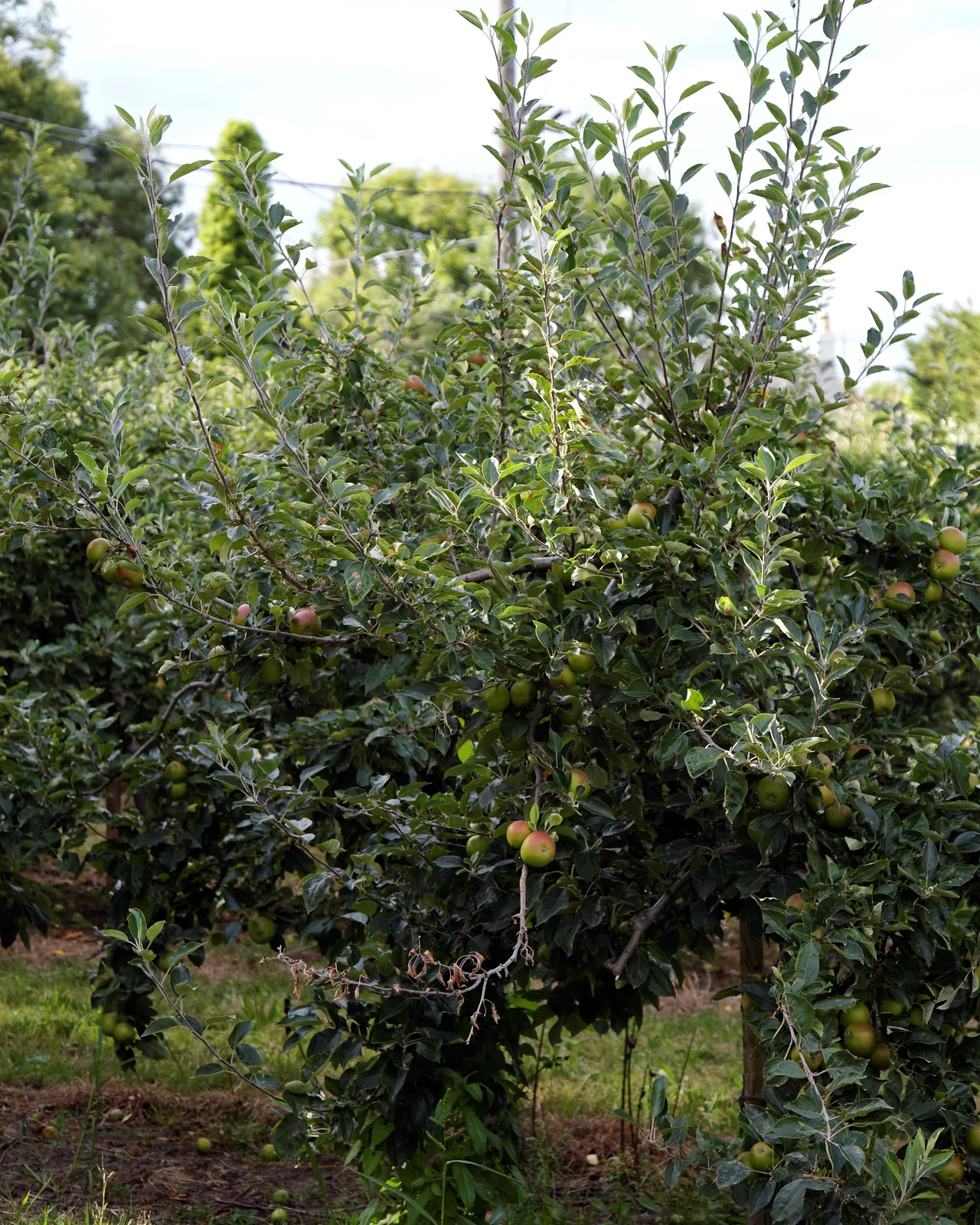
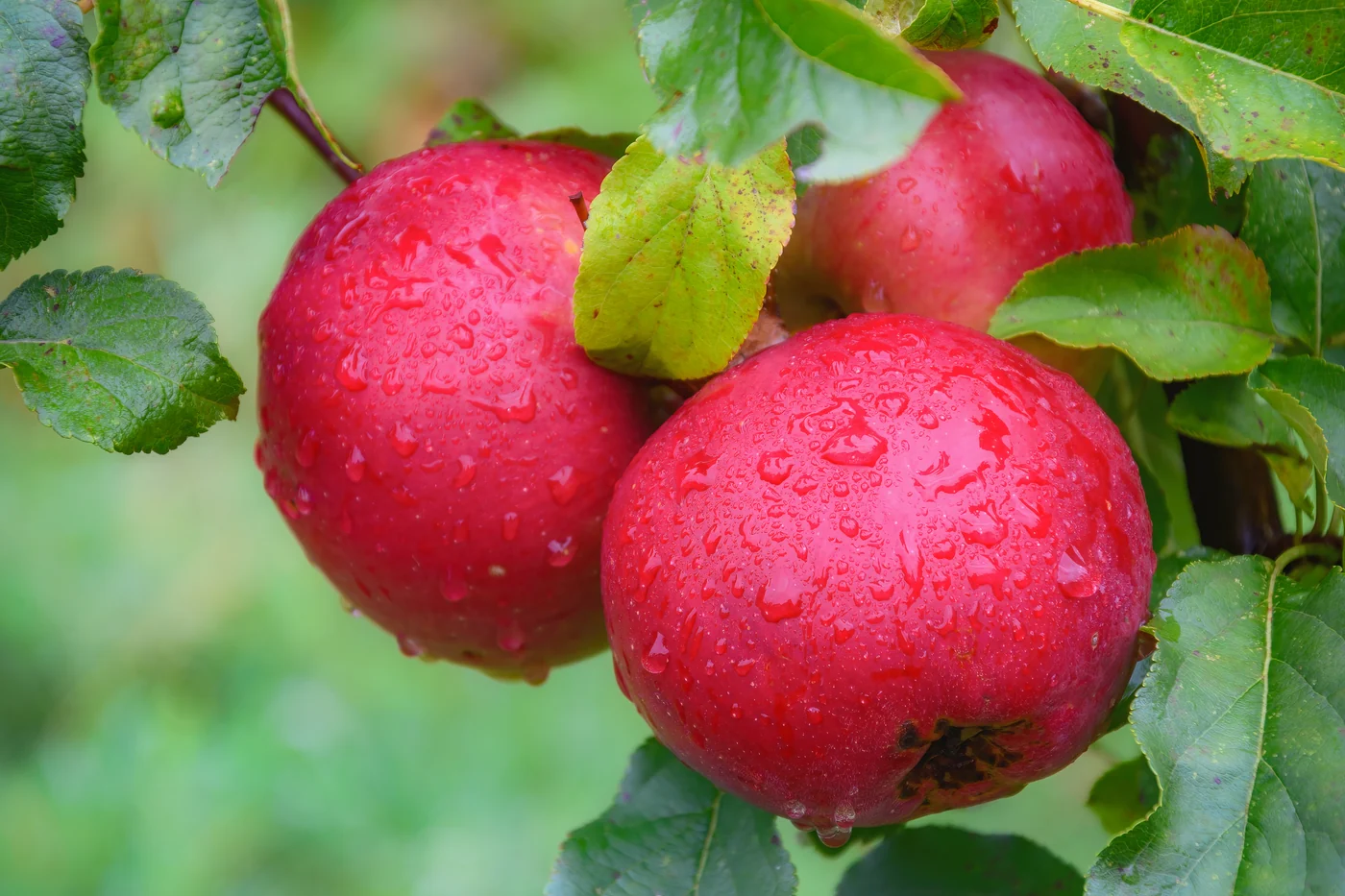
An apple tree can anchor a small home orchard, but success begins with two choices: a locally suited cultivar and the right rootstock. Compact trees make harvest and care easier; some dwarfing rootstocks need permanent support.
EZTrees editorial guide · Reviewed 2026-09-26 · How we source our guides
Temperate
Full sun, with good airflow around the canopy.
Varies greatly with rootstock and training. Confirm the named rootstock's mature height, spread, and support needs before buying.
Well-drained soil. Avoid sites where water lingers around roots.
Right tree, right place.
Match winter chill and cold hardiness to your area. Low-chill cultivars suit some mild-winter regions, while late frosts can damage flowers even on otherwise hardy trees.
Well-drained soil. Avoid sites where water lingers around roots.
Water for the roots.
Keep a new tree's root ball evenly moist without saturation. Established trees still need supplemental water during dry spells, especially while fruit develops.
A thoughtful approach to pruning.
Train a strong framework while young. Prune annually for light and access, retaining productive fruiting wood; remove shoots from below the graft.
Flowers, pollination & fruit.
Most cultivars need pollen from a compatible apple with overlapping bloom. Two trees of the same cultivar usually will not solve that need. Some triploid cultivars cannot pollinate a partner.
Worth remembering
Choose resistance to locally important diseases, then plan for fruit thinning and seasonal pest monitoring. A healthy-looking tree alone does not guarantee a crop.
Further reading & sources
These guides draw on horticultural extension and botanical references. Local conditions and cultivars still matter.