GROWING GUIDE / FRUIT TREES
Ficus carica
Fig
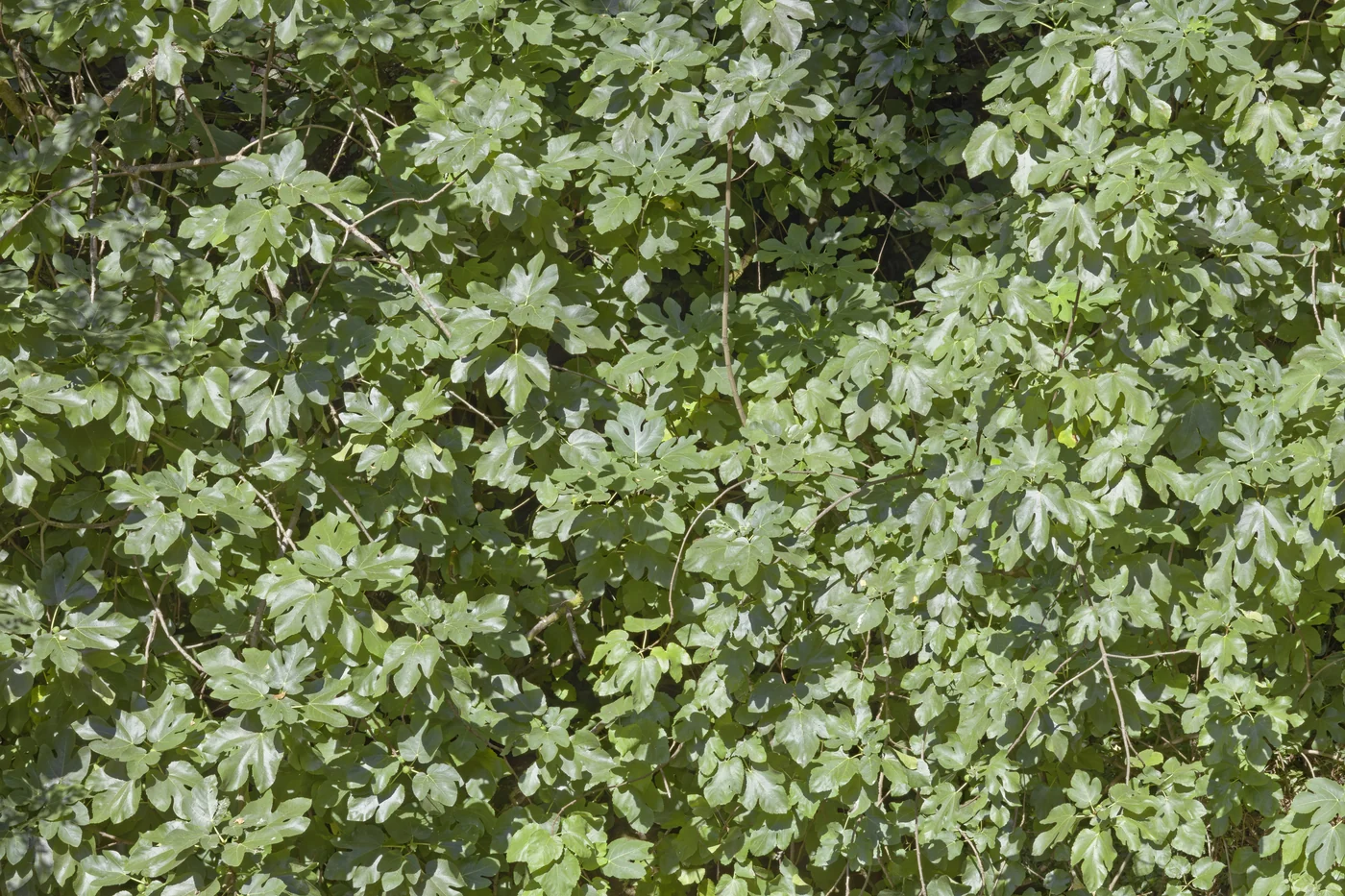
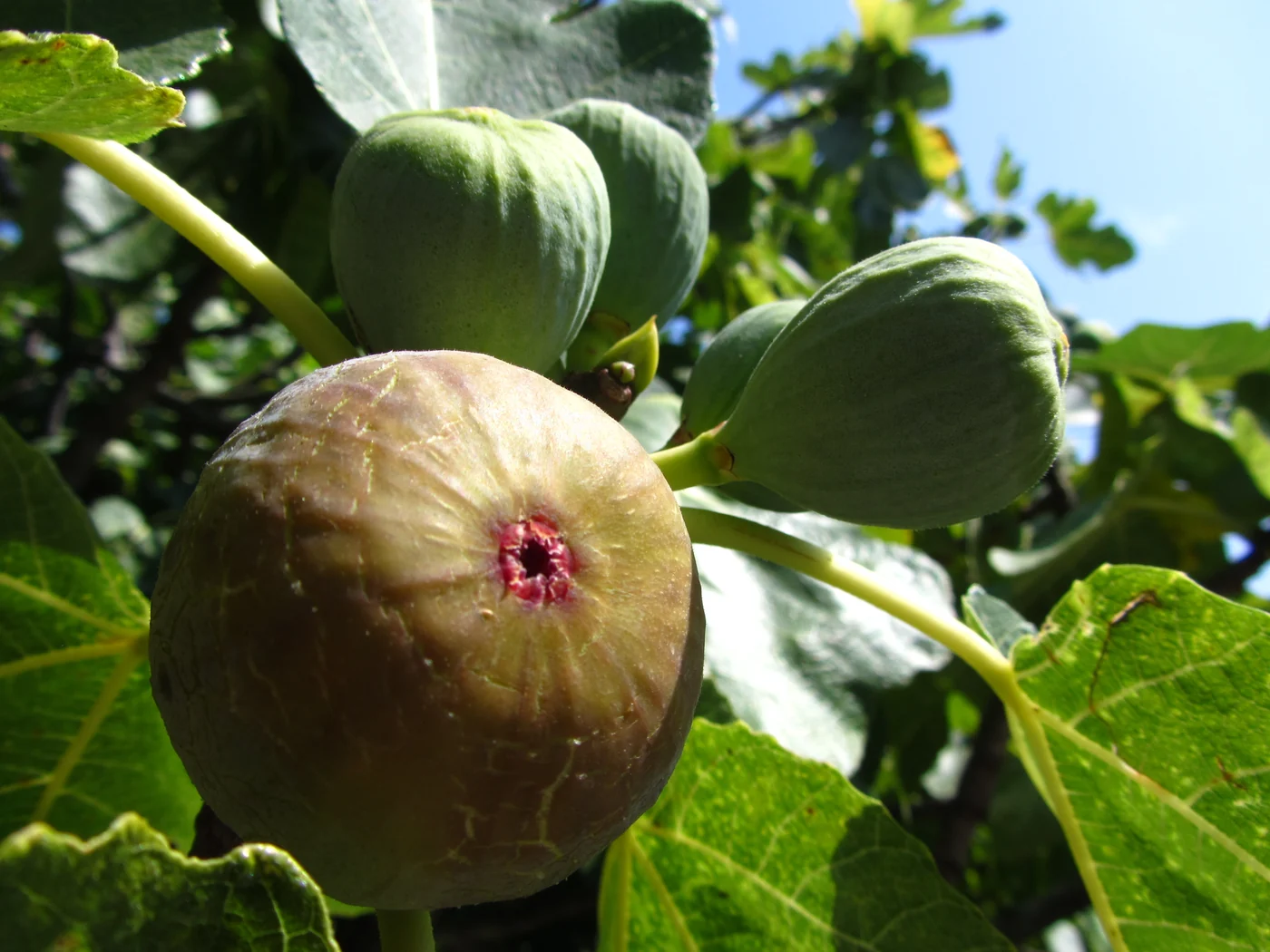
A fig brings generous foliage and a harvest that is best enjoyed close to home. It can grow as a spreading tree or a multi-stemmed shrub; a bush form is often easier to manage where winter dieback occurs.
EZTrees editorial guide · Reviewed 2026-09-26 · How we source our guides
Warm temperate
Full sun for reliable ripening and the best crop.
Often 10–30 ft (3–9 m) tall and wide without size control; cultivar, climate, and training make a large difference.
Well-drained soil with room for a spreading root system. In affected regions, check the site for root-knot nematodes before planting.
Right tree, right place.
Cultivars differ in cold tolerance and ripening season. A plant may survive or regrow after winter damage yet fail to ripen fruit before the next cold season.
Well-drained soil with room for a spreading root system. In affected regions, check the site for root-knot nematodes before planting.
Water for the roots.
Provide consistent moisture as fruit develops. Dry spells can lead to dropped fruit or poor quality; mulch helps moderate moisture swings.
A thoughtful approach to pruning.
Remove dead or crowded growth and maintain an accessible framework. Time pruning for local conditions and the cultivar's fruiting habit; heavy cuts can sacrifice part of the crop.
Flowers, pollination & fruit.
Common-type garden figs can set fruit without pollination. Other fig types have different requirements, so buy a named cultivar proven in your region.
Worth remembering
Wear gloves when pruning: the milky sap can irritate skin, especially with sun exposure. Check regional guidance before planting where figs escape into natural areas.
Further reading & sources
These guides draw on horticultural extension and botanical references. Local conditions and cultivars still matter.