GROWING GUIDE / FRUIT TREES
Citrus × limon
Lemon
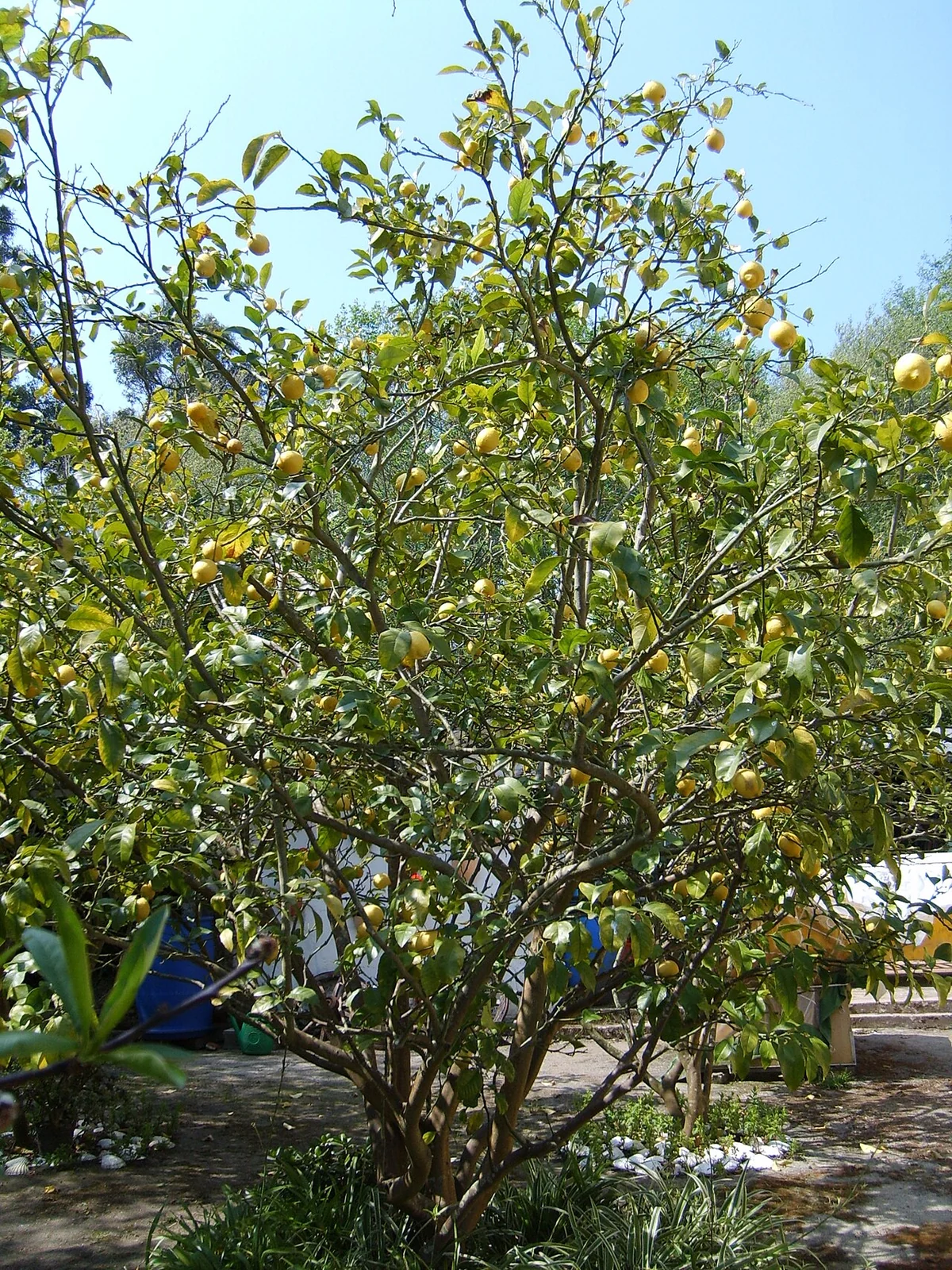
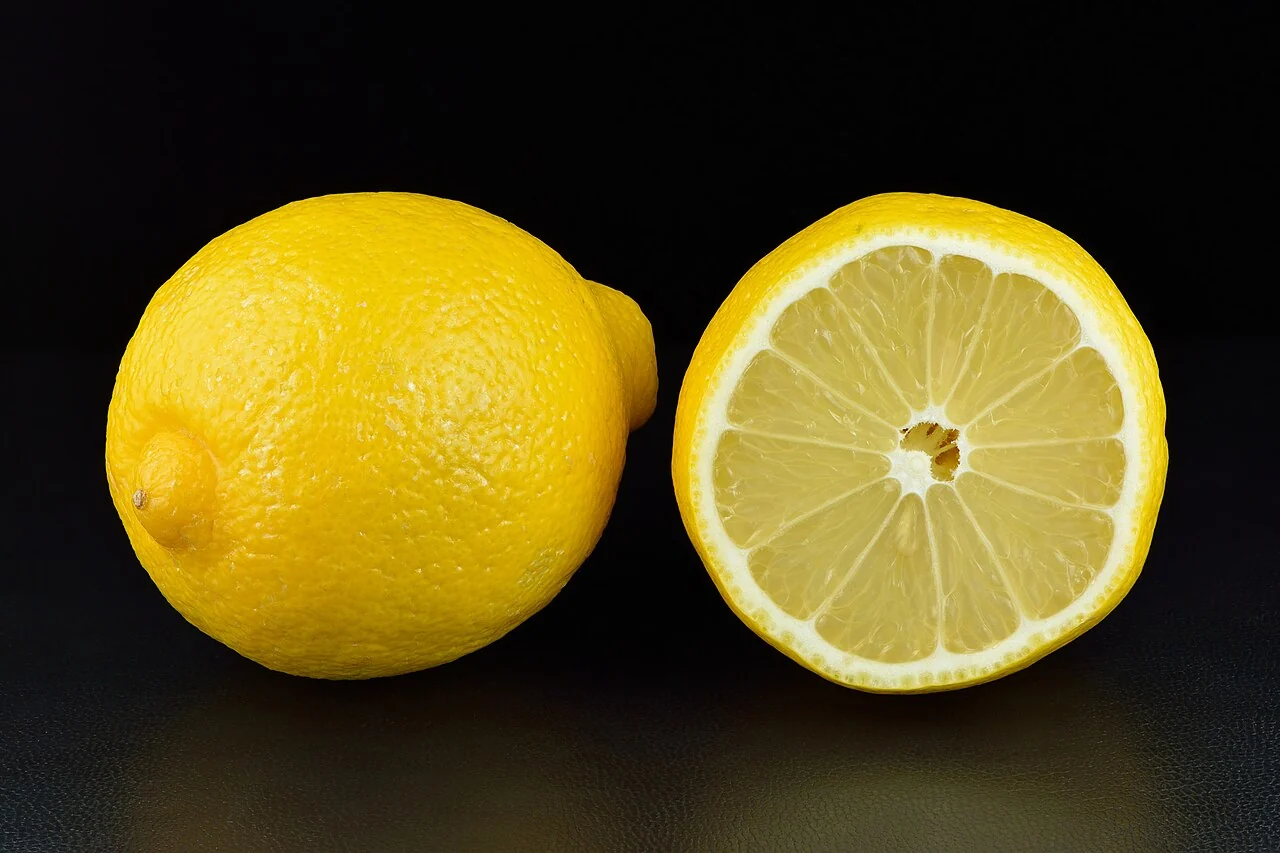
A lemon tree offers glossy foliage, fragrant flowers, and fruit for everyday cooking. Choose a healthy nursery tree and a rootstock suited to local soil. Meyer lemon is a related hybrid with its own growth and fruit characteristics.
EZTrees editorial guide · Reviewed 2026-09-26 · How we source our guides
Mild winter
Full sun for outdoor growth and fruit production.
Often 10–20 ft (3–6 m) in the ground, depending on cultivar and rootstock. Confirm size before choosing a container or planting beside a building.
Well-drained soil or a freely draining container mix. Keep the graft union clear of soil.
Right tree, right place.
Lemons are cold-sensitive. Outdoor success depends on local freezes and exposure; container growing requires a workable plan for bright, frost-protected conditions.
Well-drained soil or a freely draining container mix. Keep the graft union clear of soil.
Water for the roots.
Wet the root zone thoroughly, then allow air back into the soil. Persistent saturation favors root problems; containers need separate checks from garden soil.
A thoughtful approach to pruning.
Keep pruning light. Remove dead wood and growth below the graft; avoid abruptly exposing shaded limbs to strong sun.
Flowers, pollination & fruit.
A second lemon cultivar is not required for fruit set. Harvest timing varies with cultivar and climate, and fruit may take many months to mature.
Worth remembering
Check local citrus disease guidance before buying. Citrus greening and canker affect some growing regions, making clean nursery stock and early identification especially important.
Further reading & sources
These guides draw on horticultural extension and botanical references. Local conditions and cultivars still matter.