GROWING GUIDE / FRUIT TREES
Mangifera indica
Mango
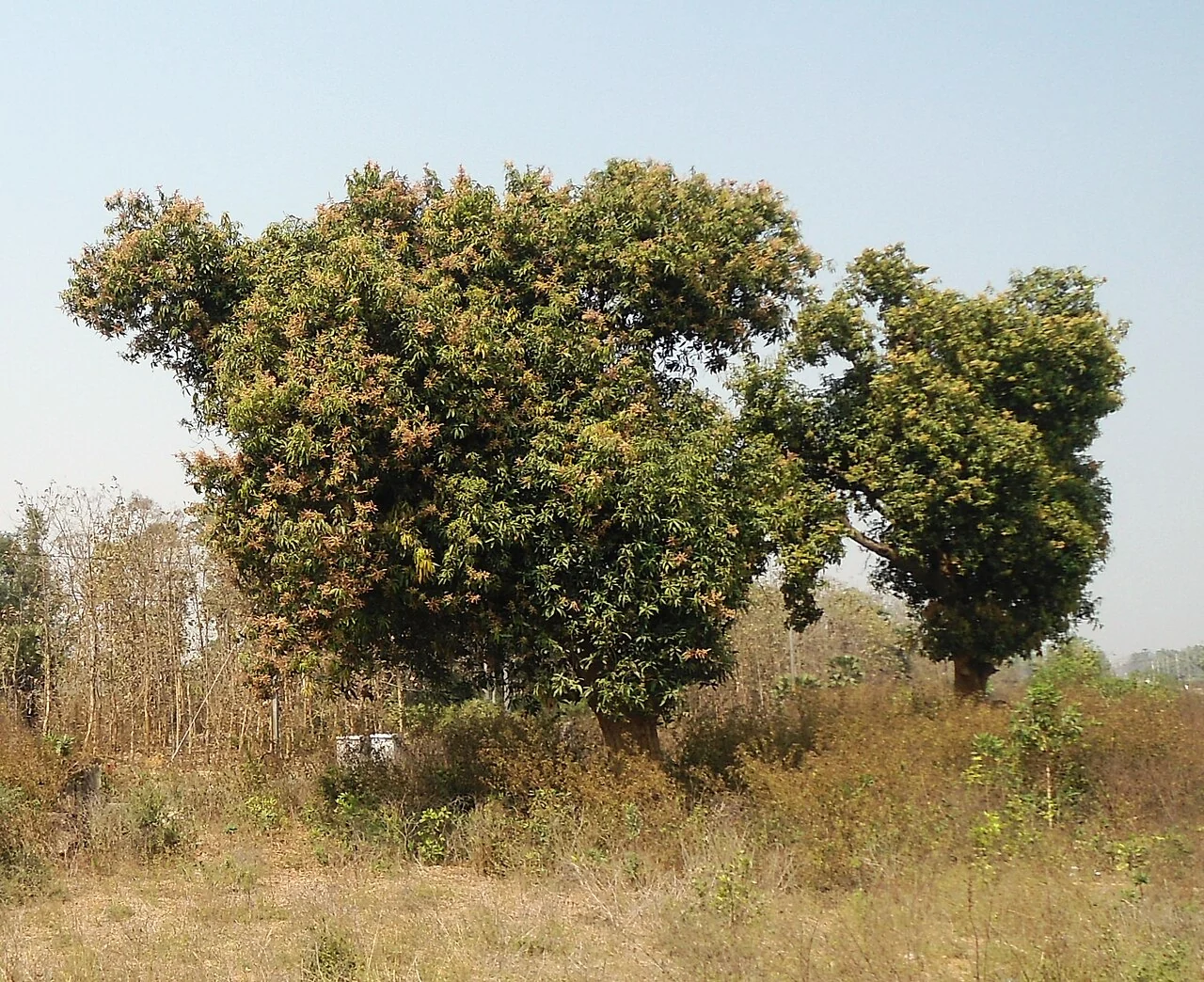
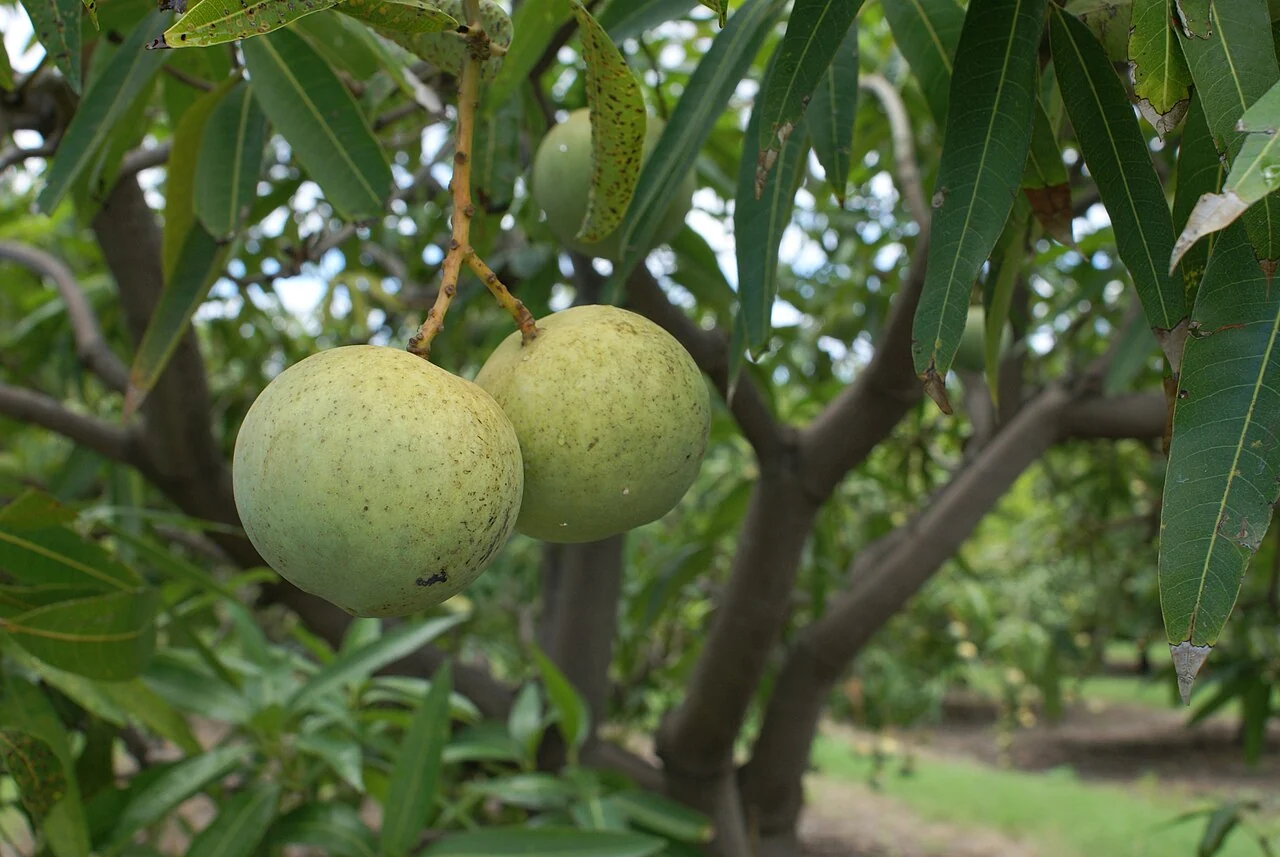
Mango is an evergreen tree with a generous canopy and richly flavored fruit. For a home garden, choose a named, grafted cultivar whose vigor fits the available space. An unpruned seedling can become a very large tree.
EZTrees editorial guide · Reviewed 2026-09-26 · How we source our guides
Tropical & subtropical
Full sun, with airflow that helps leaves, flowers, and fruit dry after rain.
Vigorous trees need substantial room; compact selections stay more manageable with regular training. Ask for cultivar-specific dimensions.
Several soil types are suitable if drainage is good. Avoid areas that stay waterlogged.
Right tree, right place.
Choose a warm site that rarely experiences freezing. Young trees and flowers are more vulnerable to cold than mature trunks and branches; survival does not ensure fruiting.
Several soil types are suitable if drainage is good. Avoid areas that stay waterlogged.
Water for the roots.
Water new trees consistently while roots establish. Mature trees have different seasonal needs; adjust irrigation to rainfall and growth, and avoid wetting flowers and foliage.
A thoughtful approach to pruning.
Train branches early and prune for size soon after harvest. Heavy canopy reduction can reduce later crops; use a professional for large limbs or tall trees.
Flowers, pollination & fruit.
Insects move pollen among mango flowers. Cold or wet bloom weather and fungal disease can reduce fruit set, even when flowers are abundant.
Worth remembering
Choose locally successful cultivars where anthracnose is common. Leave space to inspect and harvest the tree from the ground whenever possible.
Further reading & sources
These guides draw on horticultural extension and botanical references. Local conditions and cultivars still matter.