GROWING GUIDE / FRUIT TREES
Prunus persica
Peach
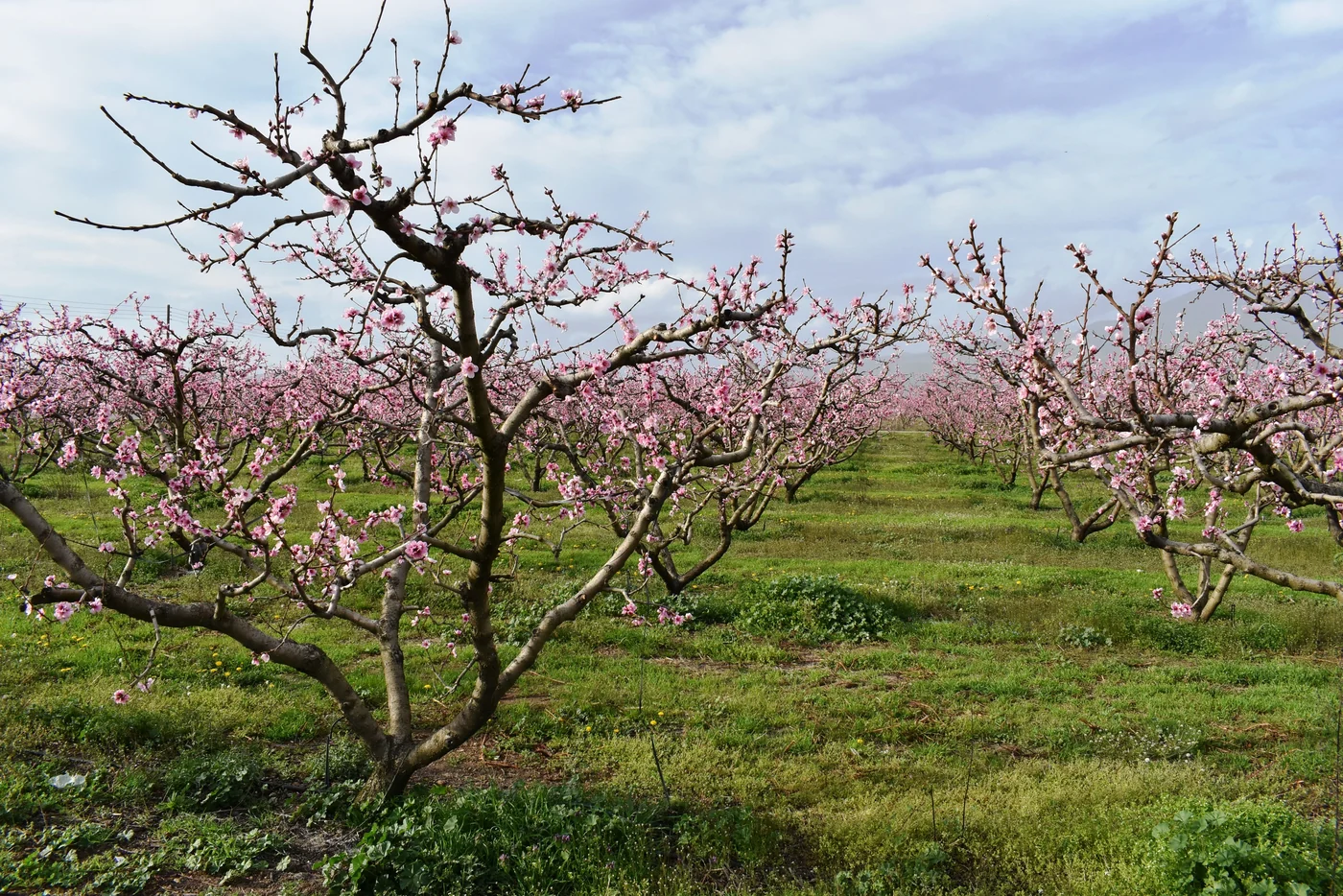
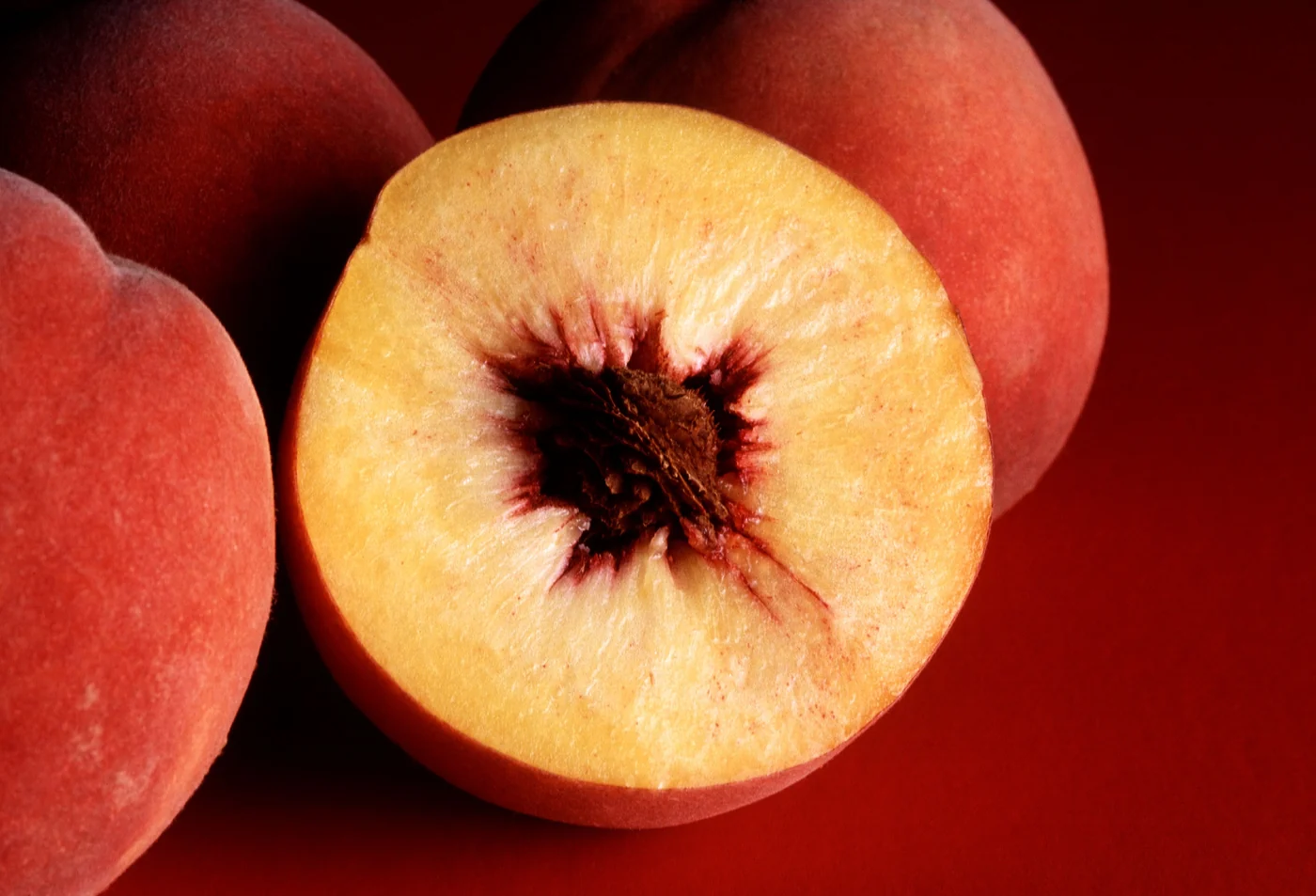
Peaches reward attentive growers with fragrant fruit and a show of pink blossom. They need regular pruning, thinning, and close observation; in humid regions, disease and insect management can be a substantial part of the work.
EZTrees editorial guide · Reviewed 2026-09-26 · How we source our guides
Temperate
Full sun; an open site with abundant direct light supports fruit quality.
Rootstock and pruning determine size. Allow for the nursery's mature spread, plus room to reach the canopy for thinning and harvest.
Good drainage is essential. Avoid low spots where water collects or cold air settles.
Right tree, right place.
Choose a cultivar whose chill requirement fits your winter. Too little chill disrupts growth; a very low-chill choice may flower early enough to lose its crop to frost.
Good drainage is essential. Avoid low spots where water collects or cold air settles.
Water for the roots.
Water the root zone during establishment and dry weather. Use soil moisture and rainfall to adjust frequency, keeping the soil aerated.
A thoughtful approach to pruning.
Begin training when young. An open-center framework is common; annual pruning renews the shoots that carry the crop. Use a regional guide for timing.
Flowers, pollination & fruit.
Most common garden peaches are self-fruitful, so a second cultivar is usually unnecessary. Confirm the selection when buying.
Worth remembering
Thin crowded young fruit before the pits harden. Leaving fewer, well-spaced peaches helps fruit size and reduces branch strain. Remove damaged and rotting fruit as part of orchard sanitation.
Further reading & sources
These guides draw on horticultural extension and botanical references. Local conditions and cultivars still matter.