GROWING GUIDE / FRUIT TREES
Punica granatum
Pomegranate
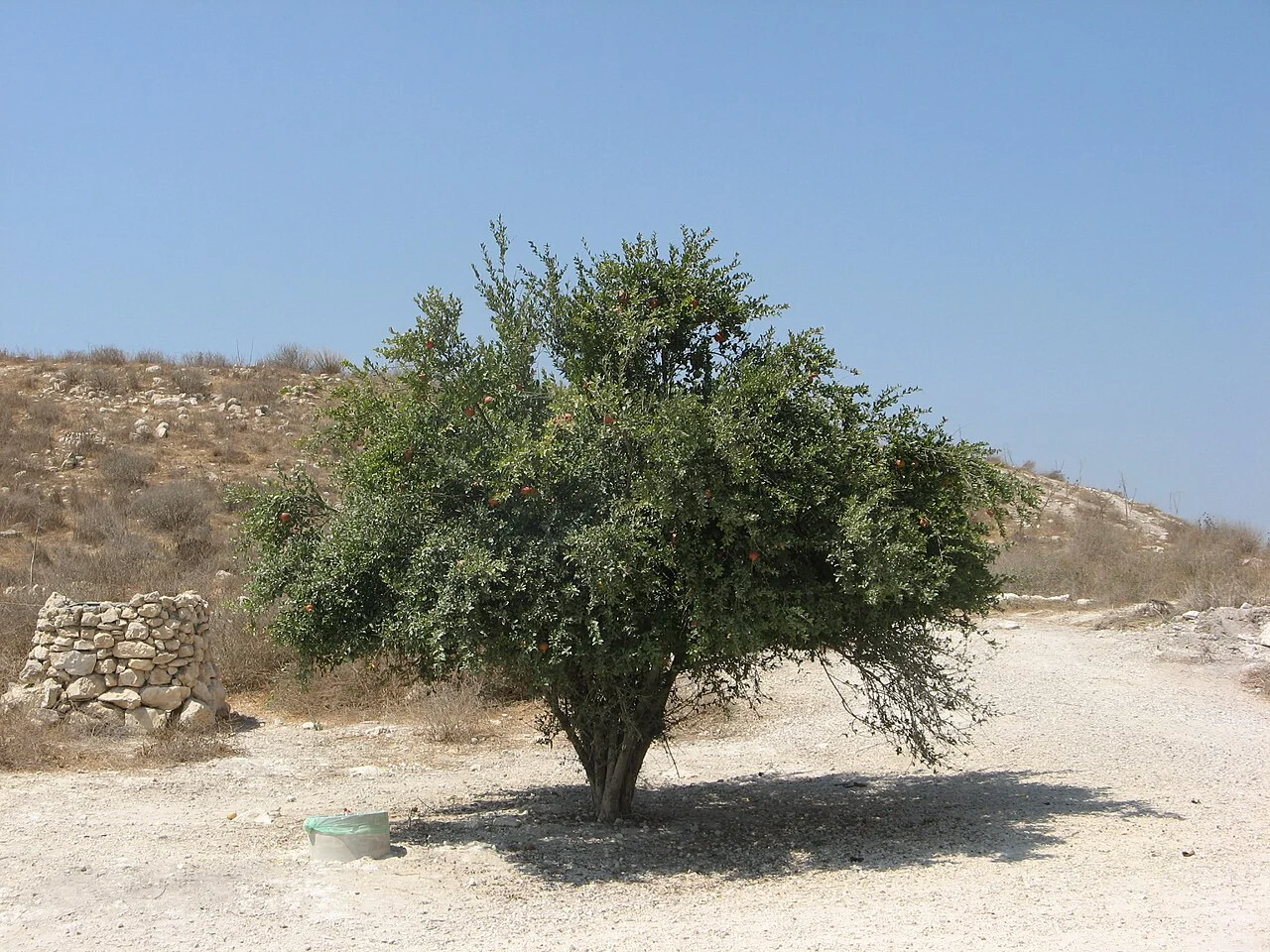
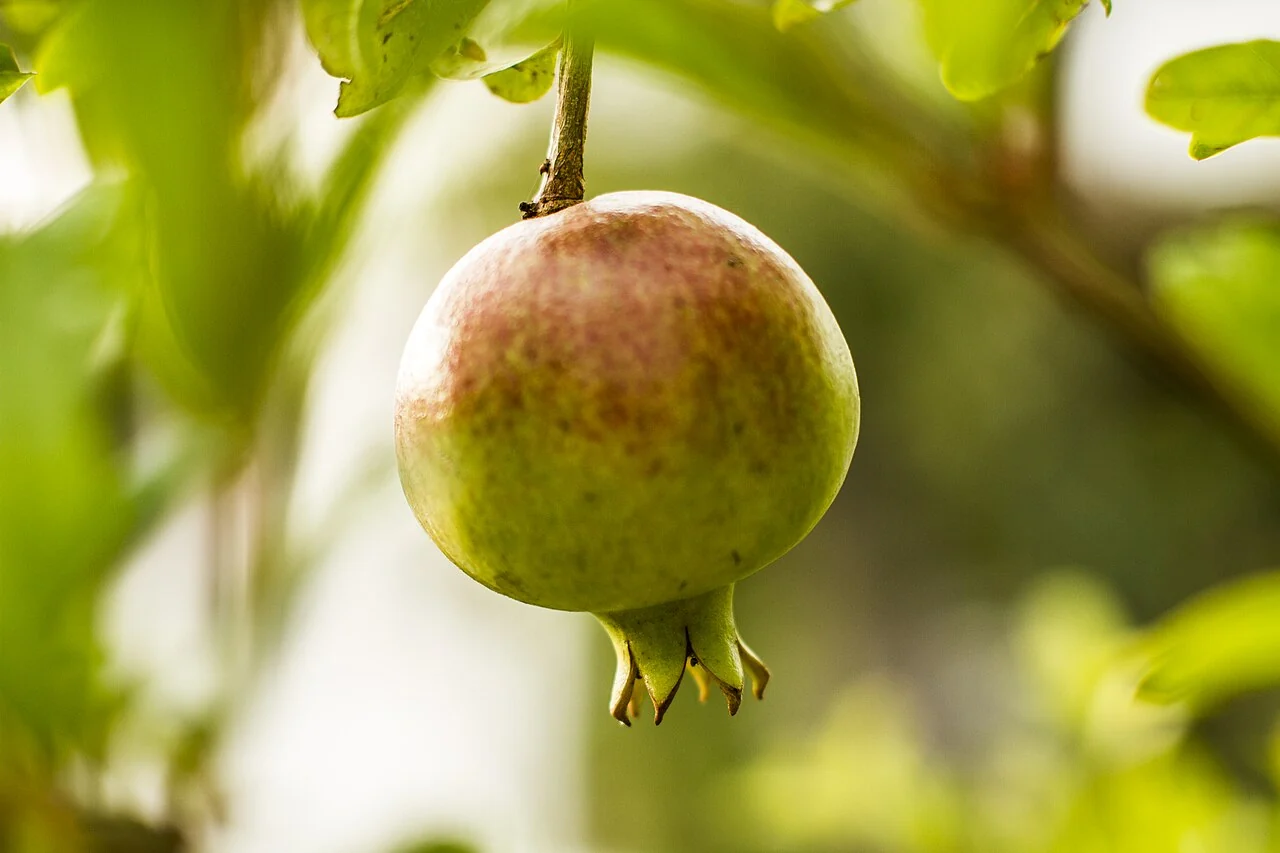
Pomegranate naturally forms a leafy, many-stemmed shrub, though it can be trained into a small tree. Its showy flowers are part of the appeal, but choose a fruiting cultivar if harvest is your goal.
EZTrees editorial guide · Reviewed 2026-09-26 · How we source our guides
Warm & dry
Full sun helps fruit develop flavor. Shade usually reduces the harvest.
Commonly about 12–20 ft (3.5–6 m) tall, with a broad spread. Smaller cultivars exist; check whether they are selected for fruit or ornament.
Adaptable to several soil types when drainage is good. Avoid a persistently soggy root zone.
Right tree, right place.
Best fruiting generally comes with hot summers and relatively dry conditions. Winter injury varies by cultivar and cold exposure; humid or rainy weather can complicate fruit quality.
Adaptable to several soil types when drainage is good. Avoid a persistently soggy root zone.
Water for the roots.
Established plants tolerate drought, but a worthwhile crop needs regular moisture. Large wet–dry swings and rain near ripening can split fruit.
A thoughtful approach to pruning.
Choose a shrub or tree framework early. Remove unwanted suckers and thin selectively; repeated hard pruning removes productive wood and reduces yields.
Flowers, pollination & fruit.
Pomegranates are generally self-fruitful. Insects visit the flowers and help move pollen; flowering alone does not mean every flower will become fruit.
Worth remembering
Leave access for picking around the plant's stiff, sometimes spiny branches. Keep moisture steady as fruit fills, and inspect ripening fruit after heavy rain.
Further reading & sources
These guides draw on horticultural extension and botanical references. Local conditions and cultivars still matter.