GROWING NOTES
Water the roots. Read the soil.
A useful watering routine responds to the plant, the weather, and what is happening below the surface.
EZTrees editorial guide · Reviewed 2026-09-26
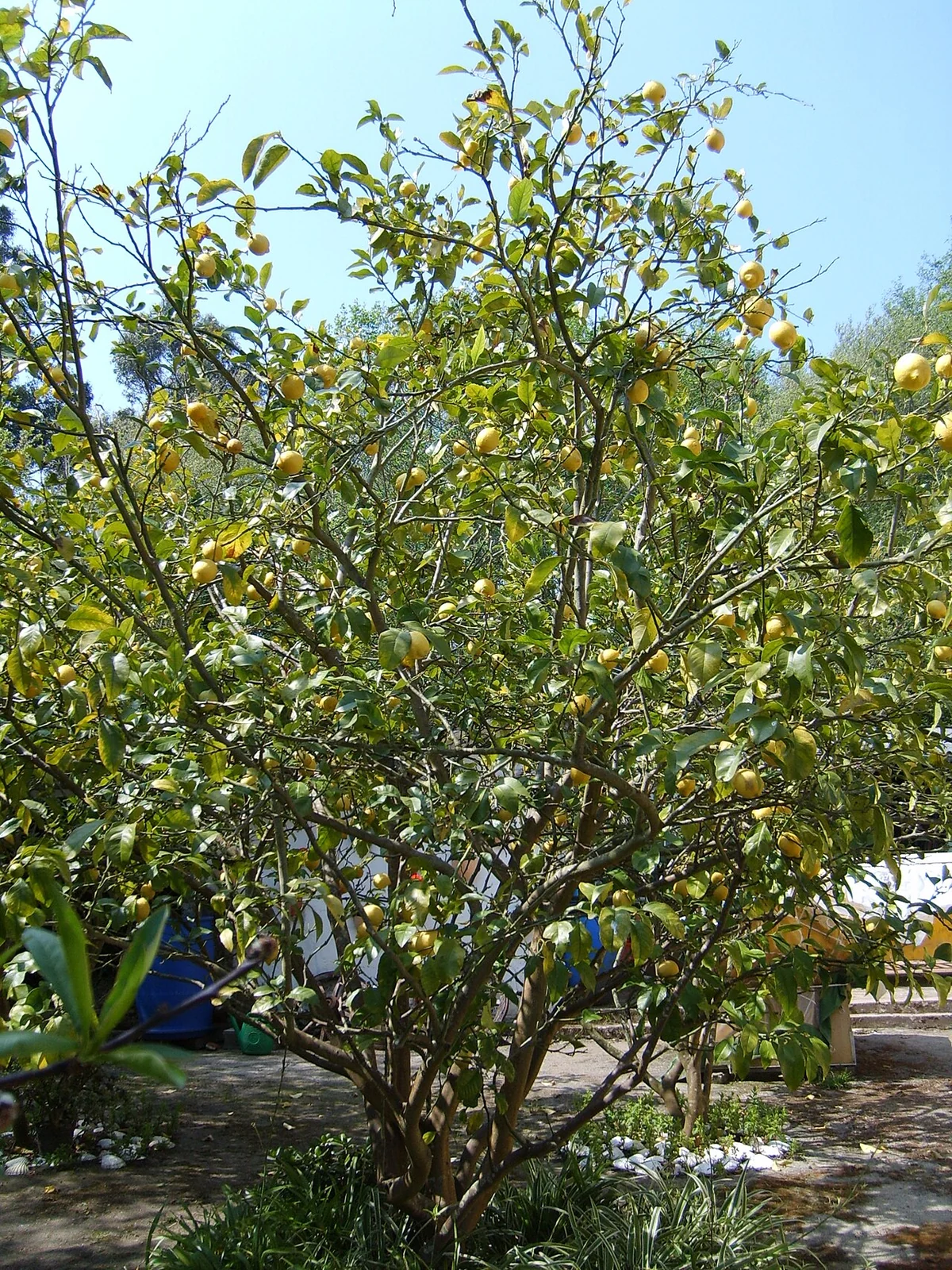
Begin with a moisture check
Move mulch aside and examine soil within the root ball and just beyond it. Surface dryness alone can be misleading. Check below the surface with a trowel, taking care around roots, and learn how your soil feels when moist and when drying. Newly planted trees need frequent observation because their usable root system is still small. Check especially closely during hot, windy weather and after irrigation changes.
Water slowly enough to soak in
Apply water to the soil over the active root zone, using a gentle hose flow or appropriately placed irrigation. Wet the root ball thoroughly without keeping it saturated. If water runs away before soaking in, reduce the application rate or use shorter cycles with time between them. After the water has moved through the soil, check several spots to see whether it reached the intended area rather than relying on the timer alone.
Change the pattern as the plant grows
A new tree's roots need water close to the original root ball. As the root system expands, broaden the irrigated area. Established branching trees and palms have different root patterns, so do not use one emitter arrangement for every plant. Keep irrigation from repeatedly soaking the trunk. Mulch helps limit evaporation and competition from grass, but it is not a substitute for checking moisture beneath it.
Let conditions set the frequency
Sandy soil generally drains and dries faster than heavy soil. Heat, wind, rainfall, canopy size, and fruit load all change demand. Pots can dry differently from the ground and need separate checks. A drought-tolerant established plant may still need water while producing fruit; a newly planted specimen has not yet earned that drought tolerance. Avoid copying a fixed weekly amount from a different climate without checking local guidance and your own soil.
Notice patterns before adding more water
Wilting and leaf changes are reasons to investigate, not automatic instructions to turn up irrigation. Both dry roots and roots deprived of air can impair a plant. If soil remains wet, look at drainage and watering frequency before adding more. Keep a short log of rain, watering, and moisture checks for a couple of weeks. Use it to adjust your routine as roots establish and the season changes.
Further reading & sources
These guides draw on horticultural extension and botanical references. Local conditions and cultivars still matter.