GROWING GUIDE / PALMS
Cocos nucifera
Coconut palm
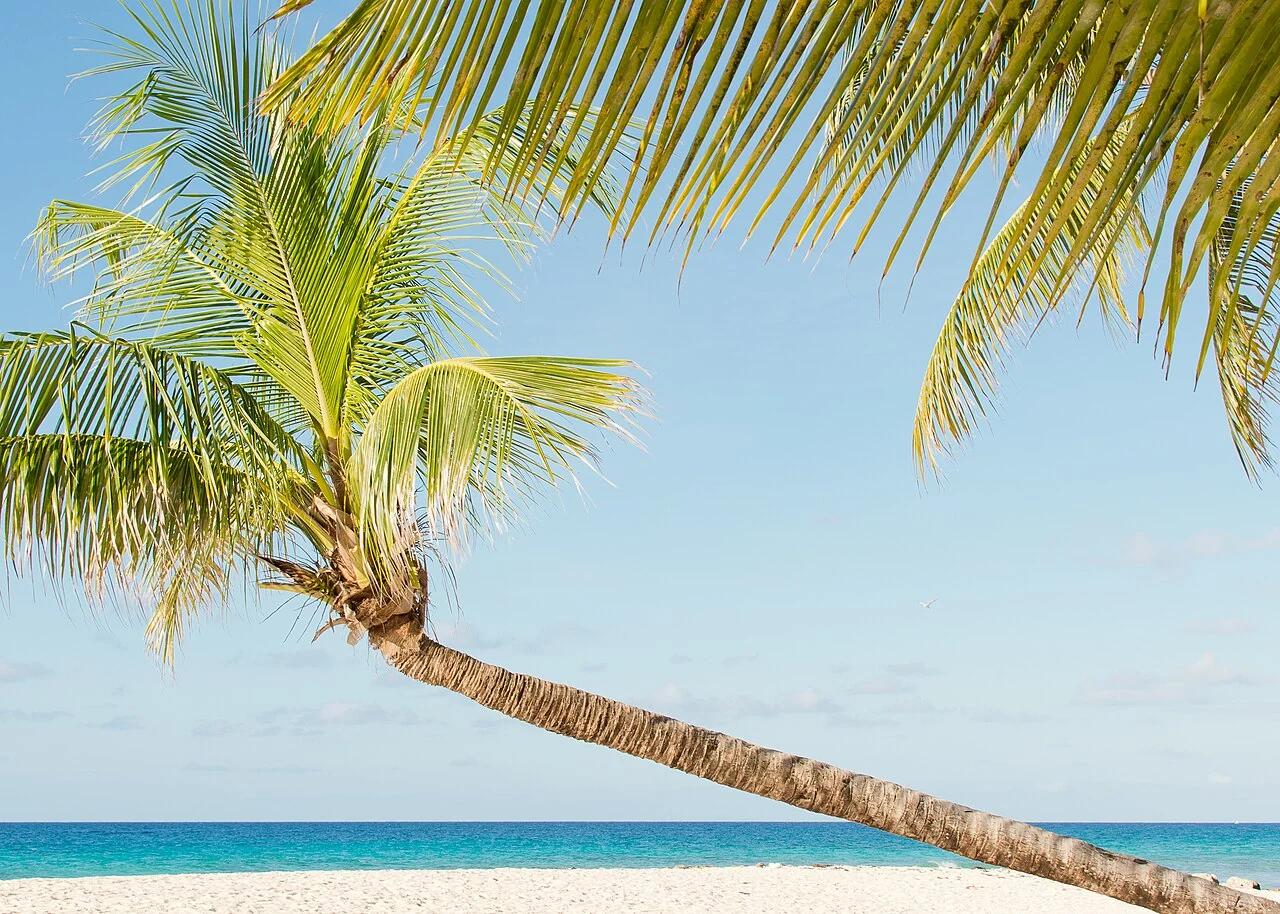
Coconut palms create an unmistakable silhouette of long, arching fronds and a tall trunk. They also produce heavy fruit, making placement and ongoing maintenance as important as appearance.
EZTrees editorial guide · Reviewed 2026-09-26 · How we source our guides
Tropical
Full sun.
Tall forms can exceed 80 ft (24 m). Dwarf types remain smaller but still need generous space; compare named cultivars before planting.
Grows well in sandy tropical soils. Choose a planting site and drainage conditions suited to local coconut culture.
Right tree, right place.
Needs sustained warmth and a frost-free climate. A sheltered spot in an otherwise cold region rarely provides the year-round conditions this palm needs.
Grows well in sandy tropical soils. Choose a planting site and drainage conditions suited to local coconut culture.
Water for the roots.
Supply steady moisture during establishment, adjusting for rain and soil. Check the root zone between storms rather than assuming rainfall has met its needs.
A thoughtful approach to pruning.
Preserve healthy green fronds. Arrange safe removal of dead fronds and fruit where they could fall onto people, buildings, or paths.
Flowers, pollination & fruit.
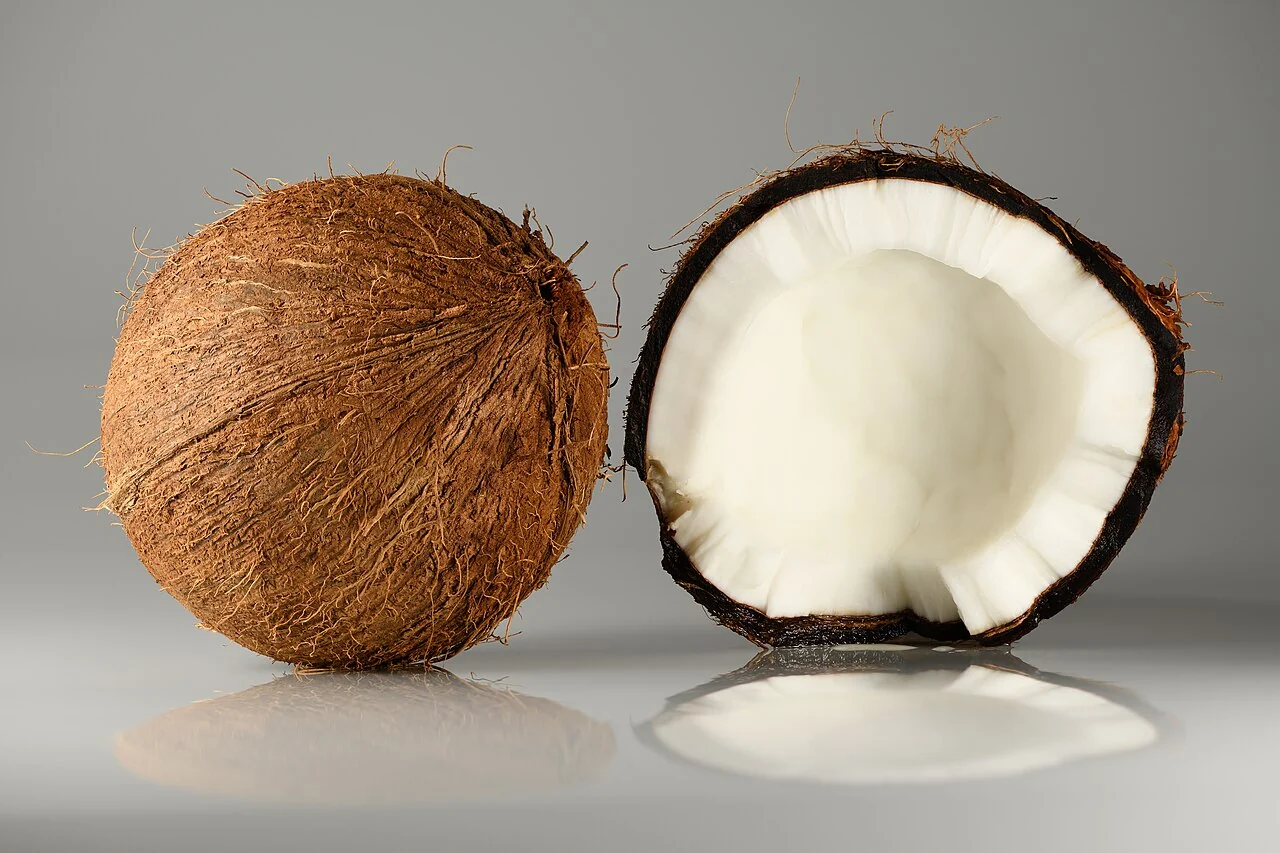
Coconuts develop over many months; flowering and productivity vary with cultivar and growing conditions. A young palm should be chosen for its long-term fit, not an immediate harvest.
Worth remembering
Keep the crown away from busy areas. Check regional planting guidance: UF/IFAS identifies coconut as invasive in South Florida and recommends specific siting and fruit-disposal precautions there.
Further reading & sources
These guides draw on horticultural extension and botanical references. Local conditions and cultivars still matter.