GROWING GUIDE / PALMS
Phoenix roebelenii
Pygmy date palm
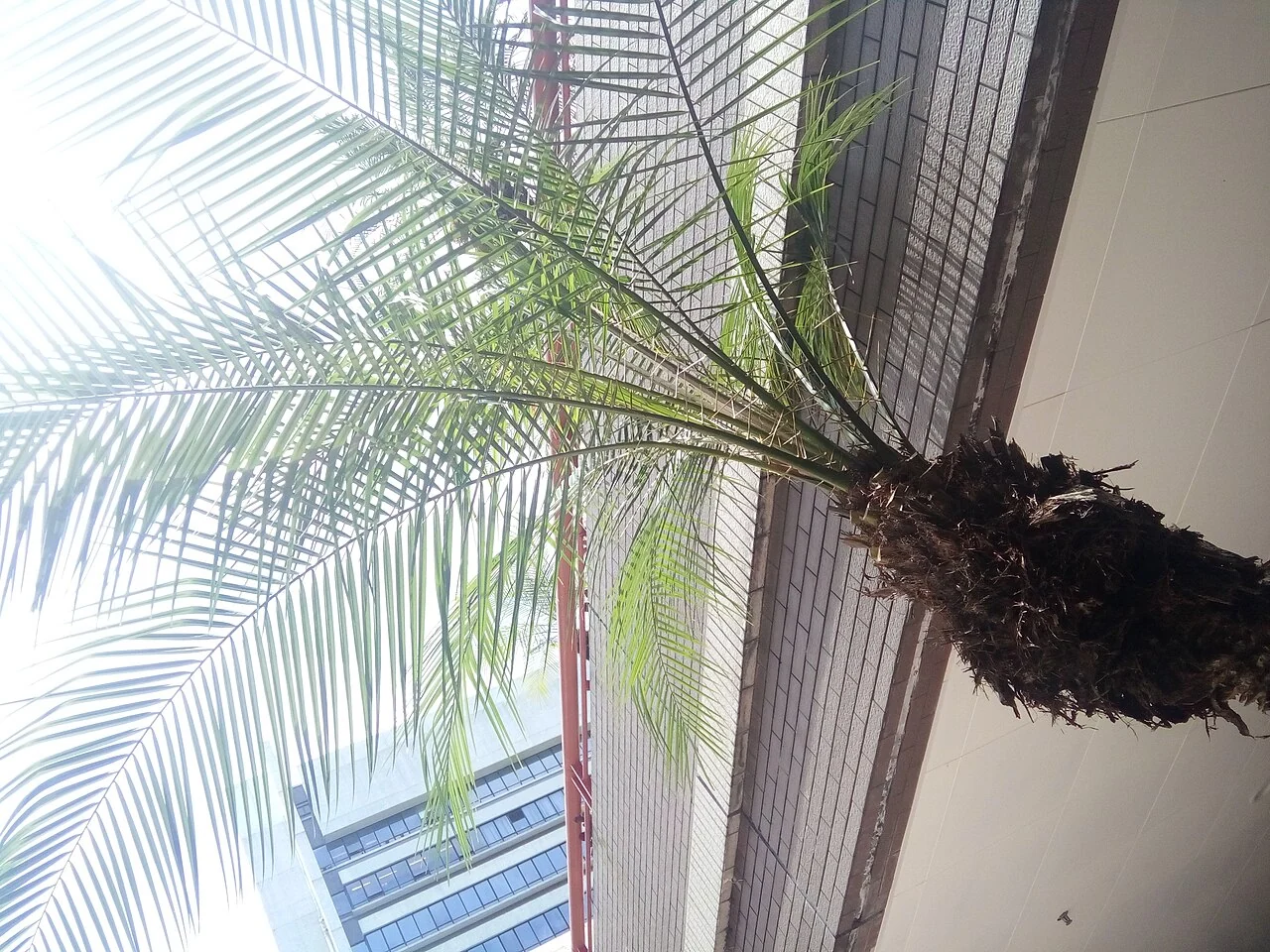
Pygmy date palm brings arching, feather-like leaves to sheltered gardens and large containers. Each plant normally has one trunk; nursery pots with several stems often contain several separate palms. Allow the whole group room to mature.
EZTrees editorial guide · Reviewed 2026-09-26 · How we source our guides
Subtropical
Sun to partial shade, with protection from harsh exposure where locally advised.
Often 6–12 ft (1.8–3.7 m) tall with a crown around 6–8 ft (1.8–2.4 m) wide, depending on growing conditions.
Well-drained soil. Deep planting or a high water table can cause persistent growth and nutrient problems.
Right tree, right place.
Sensitive to freezing and unsuitable for exposed cold sites. It also tolerates salt spray and salty soils poorly, so a coastal location needs careful assessment.
Well-drained soil. Deep planting or a high water table can cause persistent growth and nutrient problems.
Water for the roots.
Provide regular moisture while allowing drainage. Container plants need their own watering checks; do not leave them standing in water.
A thoughtful approach to pruning.
Remove fully dead leaves. Keep yellowing older leaves until the cause is diagnosed; removing nutrient-deficient fronds can worsen the deficiency.
Flowers, pollination & fruit.
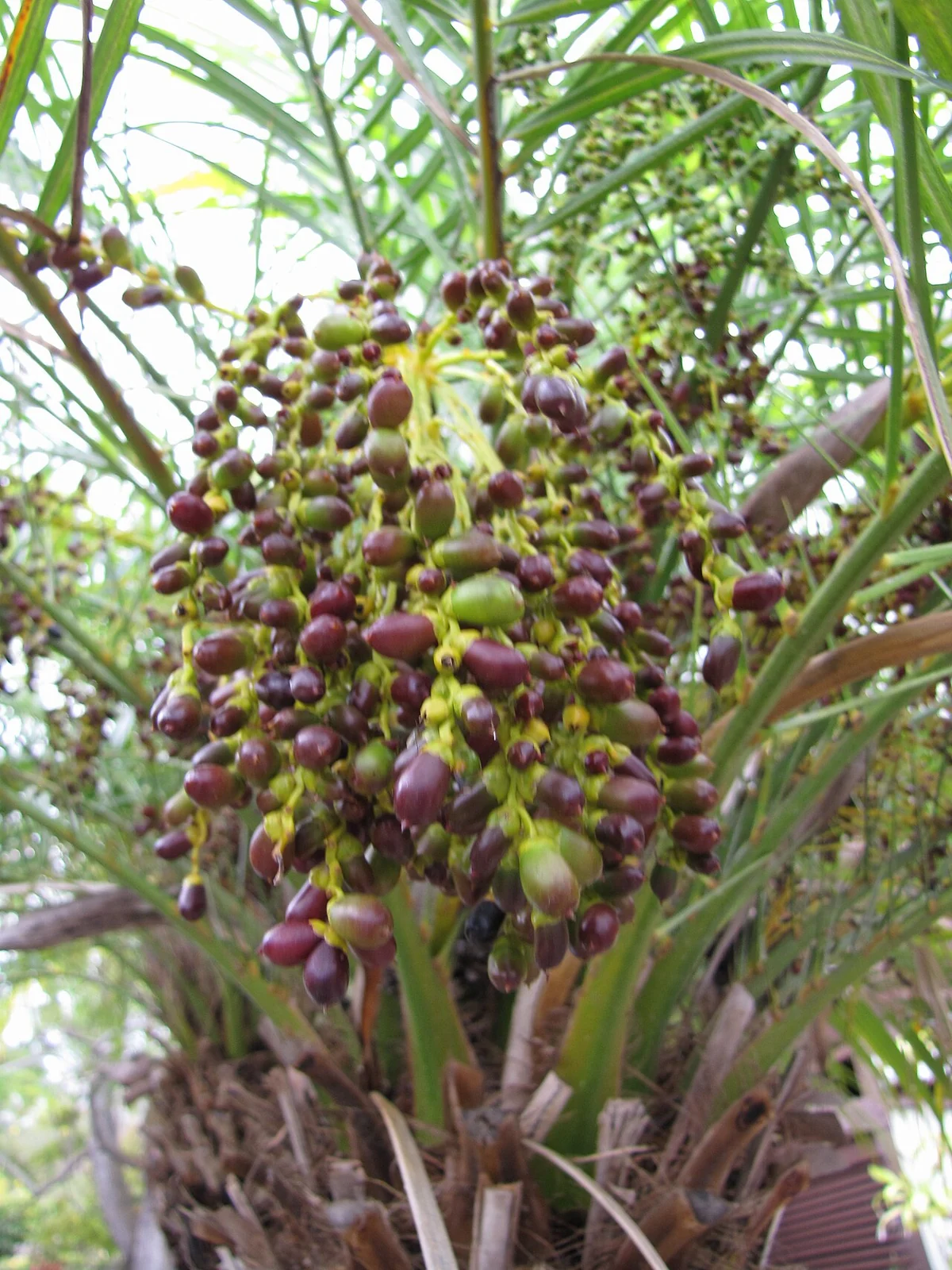
Male and female flowers occur on separate plants. The small fruits differ from the large edible dates produced by Phoenix dactylifera.
Worth remembering
Sharp spines hide at the bases of the leaves. Leave clearance from paths and play areas, and protect hands and eyes during close work around the crown.
Further reading & sources
These guides draw on horticultural extension and botanical references. Local conditions and cultivars still matter.