GROWING GUIDE / PALMS
Sabal palmetto
Sabal palmetto
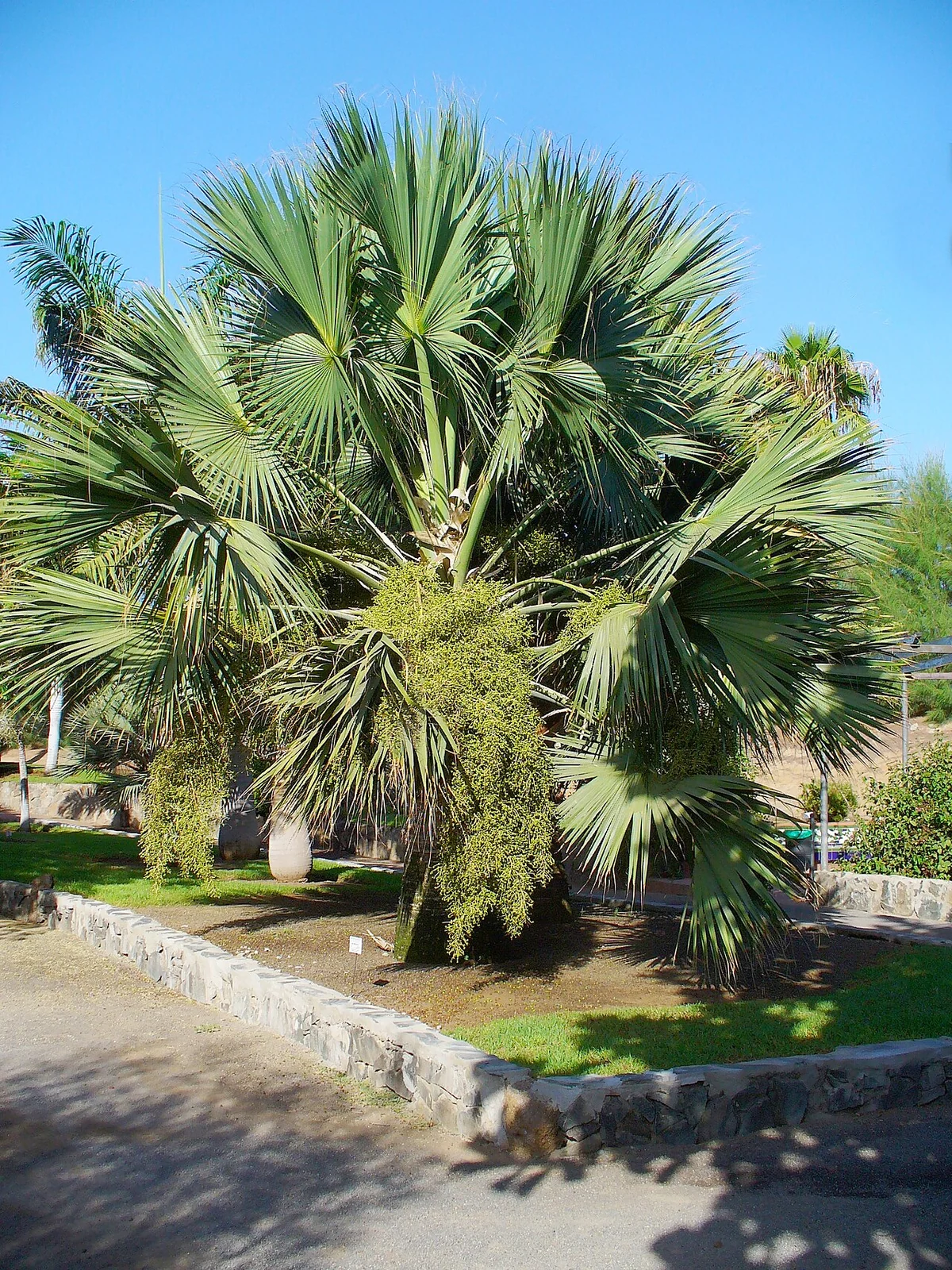
Also known as cabbage palm, sabal palmetto is native to the southeastern United States. Its large, folded fans form a full rounded crown. Old leaf bases may persist on the trunk or fall naturally over time.
EZTrees editorial guide · Reviewed 2026-09-26 · How we source our guides
Warm temperate & subtropical
Full sun to partial shade.
A tall landscape palm, commonly around 40–50 ft (12–15 m). Plan for a broad crown and future maintenance access.
Adaptable to varied soils. Match planting and irrigation to site drainage, and avoid burying the trunk deeper than its previous growing level.
Right tree, right place.
Relatively cold-tolerant for a palm, with suitability shaped by local winter conditions. Salt spray tolerance does not mean the roots tolerate saline soil.
Adaptable to varied soils. Match planting and irrigation to site drainage, and avoid burying the trunk deeper than its previous growing level.
Water for the roots.
Newly installed palms need consistent root-zone moisture. A mature transplanted sabal must regenerate roots, so establishment care is especially important.
A thoughtful approach to pruning.
Keep the rounded green crown. Remove fully dead fronds when needed and avoid cutting or stripping the trunk.
Flowers, pollination & fruit.
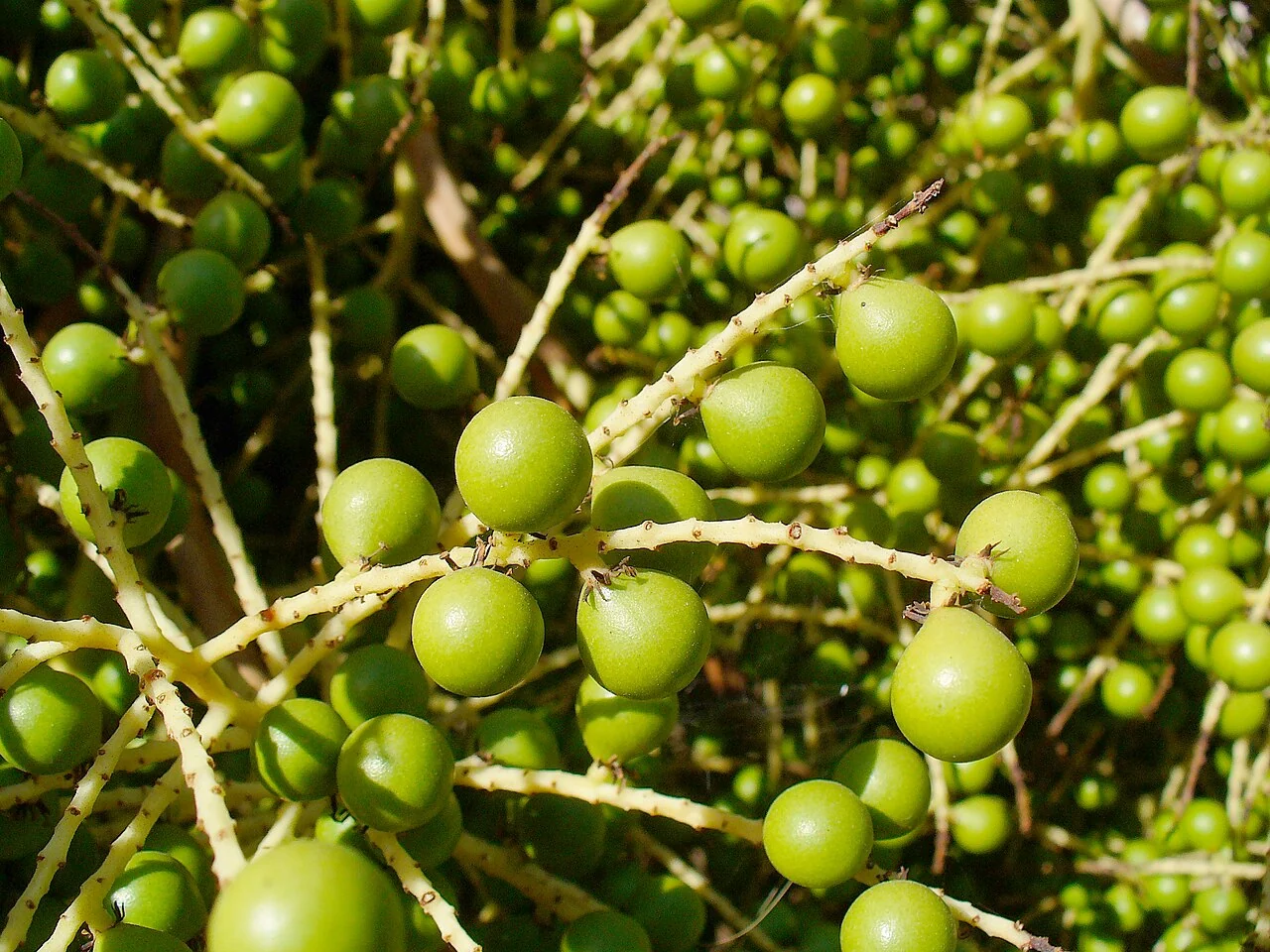
Cream-colored flower clusters attract bees; the small black fruits are eaten by wildlife. This profile treats the palm as a landscape plant.
Worth remembering
Choose nursery-established stock and an installer familiar with sabal roots. Leaf removal during professional field transplanting is a special practice, not a model for routine pruning.
Further reading & sources
These guides draw on horticultural extension and botanical references. Local conditions and cultivars still matter.